Stable blood sugar isn't the result of one dramatic change — it's a handful of daily habits, stacked and maintained consistently. Here's a ranked breakdown of what actually matters for adults 45 and older, and why. None of this is complicated or expensive, but the order in which you build these habits matters more than most people realize, and getting that order right is often the difference between a routine that lasts and one that quietly falls apart by week three.
The Highest-Leverage Habit: Post-Meal Movement
Of everything on this list, a short walk after eating has some of the most consistent, direct evidence behind it. Muscle activity helps pull glucose from the bloodstream into muscle tissue, which can meaningfully soften the blood sugar rise that follows a meal. Ten to fifteen minutes is enough — this isn't about intensity, it's about timing. A walk within 30 to 60 minutes of finishing a meal tends to have more impact than the same walk taken hours later.
What makes this habit especially practical is that it doesn't require equipment, a gym membership, or a big block of free time. A loop around the block, a few laps of the yard, even pacing while on a phone call counts. The key variable isn't distance or step count — it's simply getting large muscle groups active shortly after the meal ends, while blood sugar is still rising. For anyone managing a packed schedule, this is usually the single easiest habit on this list to slot in, because it can be attached to something you're already doing, like cleaning up the kitchen or taking the dog out.
Sleep and Insulin Sensitivity
Sleep is the habit most people underestimate in this context. Even a single night of restricted sleep has been shown to measurably reduce insulin sensitivity the following day. Over weeks and months, chronic poor sleep compounds that effect. Consistent sleep and wake times, seven to nine hours nightly, is one of the higher-leverage habits on this list — even though it doesn't feel directly related to diet or blood sugar on the surface.
Part of the reason sleep gets overlooked is that its effects are delayed and indirect — a bad night doesn't produce an obvious symptom the way a heavy meal might. But the hormonal cascade triggered by poor sleep (elevated cortisol, altered appetite hormones, reduced glucose tolerance) touches nearly every other habit on this list. Poor sleep makes cravings harder to manage, workouts feel harder, and stress harder to regulate — which is part of why fixing sleep first often makes every other habit easier to sustain, not just blood sugar itself.
Meal Structure Over Meal Perfection
Rather than chasing a perfect diet, focus on structure: consistent meal timing, protein and fiber at each meal to slow digestion, and avoiding long gaps followed by large meals. This approach tends to be far more sustainable than restrictive diets, and sustainability is what actually determines whether a habit sticks around long enough to matter.
A simple frame that tends to work well: build each meal around a protein source first, add a fiber source second (vegetables, legumes, or whole grains), and let refined carbohydrates fill whatever space remains rather than dominate the plate. This ordering — protein and fiber before starch — has been shown in small studies to blunt the post-meal glucose spike compared to eating the same foods in reverse order. It's a structural change, not a restriction, which is exactly why it's easier to maintain long term than counting or eliminating entire food groups.
Hydration's Underrated Role
Adequate hydration supports the kidneys in helping regulate blood sugar levels, and even mild dehydration can concentrate blood sugar readings. This is one of the simplest habits to build — water with meals, water throughout the day — and one of the most consistently overlooked in favor of flashier changes.
Stress and Cortisol
Chronic stress elevates cortisol, a hormone that can work against healthy blood sugar balance over time. This doesn't require a major lifestyle overhaul — brief, consistent stress management (a short walk, a few minutes of deep breathing, stepping away from a stressful task) is a legitimate, evidence-supported lever, not just wellness advice for its own sake.
The stress-blood sugar connection runs in both directions, too: unstable blood sugar can itself feel like stress (irritability, jitteriness, difficulty concentrating), which can trigger cortisol release, which then makes blood sugar harder to stabilize. Breaking into that loop doesn't require eliminating stress from your life — it just requires a few reliable release valves you can reach for during the day, so stress doesn't have unlimited runway to build.
Stacking Habits Without Burning Out
Trying to adopt all five habits above in the same week is a recipe for abandoning all of them within a month. A more durable approach: pick the one or two that feel most doable right now, build them into your existing routine for three to four weeks until they feel automatic, and then layer in the next one. The goal is a routine that's still running a year from now, not a perfect two-week sprint.
What's Worth Tracking
You don't need a spreadsheet to know whether these habits are working. A few simple markers are usually enough: energy levels an hour or two after meals, whether afternoon cravings feel manageable, sleep quality on waking, and general mood stability through the day. If those four things are trending in the right direction over a few weeks, the underlying habits are doing their job, even without formal measurement.
Common Mistakes That Undo Good Habits
The most common failure pattern isn't lack of willpower — it's an all-or-nothing mindset. One skipped walk or one late night gets treated as a failure of the whole plan, which leads to abandoning the habit altogether instead of just picking it back up the next day. The second most common mistake is chasing perfection on meal timing while ignoring sleep entirely, when in practice sleep tends to have the broader downstream effect. Treating this as a long-term, imperfect, adjustable routine — rather than a strict program to follow flawlessly — is what actually makes it stick.

FAQ
Post-meal movement has some of the most direct, immediate evidence, but consistent sleep is close behind for its broader downstream effect on insulin sensitivity.
One or two. Adopting everything at once is the most common reason these habits don't stick.
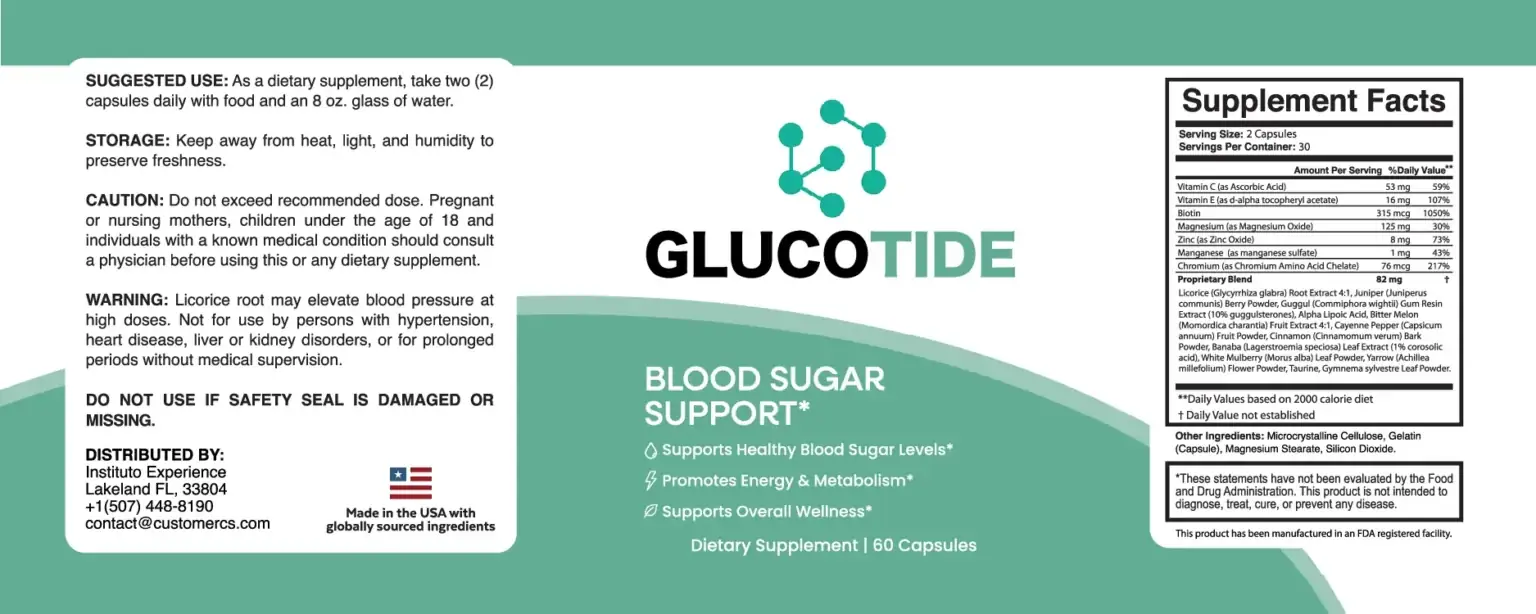
No — a supplement is meant to support a routine that already includes movement, sleep and reasonable meal structure, not replace them.
Some effects, like post-meal energy, can be noticeable within days. Others, like improved sleep-driven insulin sensitivity, tend to build gradually over three to six weeks of consistency.
Missing a day doesn't undo weeks of consistency. The habits that last are the ones you return to the next day without treating the miss as a failure.