
Insulin sensitivity is one of the most frequently mentioned, least clearly explained terms in metabolic wellness content. Here's a straightforward breakdown of what it actually means and what genuinely supports it — without the jargon that usually makes this topic feel more complicated than it needs to be.
The Basics: Insulin's Job
After you eat, your pancreas releases insulin, a hormone whose job is to signal your cells to absorb glucose from the bloodstream and use it for energy. Insulin sensitivity describes how efficiently your cells respond to that signal. High sensitivity means a small amount of insulin gets the job done. Lower sensitivity means the body has to work harder — producing more insulin — to achieve the same effect, and blood sugar can stay elevated longer after meals as a result.
Think of insulin as a key and your cells as locked doors. High sensitivity means the key turns easily and the door opens right away. Lower sensitivity means the lock is a little stiff — the same key still works, but it takes more effort, or more copies of the key, to get the same result. That extra effort is what shows up as elevated insulin levels on bloodwork, even before blood sugar itself moves out of a normal range.
A Spectrum, Not a Switch
This is worth stating clearly: insulin sensitivity exists on a spectrum. It isn't something you either have or don't have, and gradual shifts are a normal part of aging for most people, well before they would be classified as insulin resistance or a diagnosed condition like type 2 diabetes. Understanding it as a spectrum — something that responds to habits over time — is more useful than treating it as a binary you've either passed or failed.
Why Sensitivity Shifts With Age
A few things tend to converge as people get older: muscle mass declines without active maintenance, and muscle is one of the primary tissues that absorbs glucose in response to insulin. Body composition shifts, activity levels often decrease, and sleep quality can decline. None of this is fixed or irreversible — it's simply the direction things trend without active attention, which is exactly why lifestyle levers matter so much here.
It's also worth noting this isn't purely a numbers-on-a-scale issue. Two people at the same body weight can have meaningfully different insulin sensitivity depending on muscle mass, activity history, and sleep consistency. That's actually encouraging news, because it means the levers that matter most are the ones you have real, ongoing control over — not just a number on a scale that feels harder to influence directly.
The Levers That Support It
A handful of factors show up consistently in research on this topic: resistance training, which helps build and maintain the muscle tissue that absorbs glucose; consistent, adequate sleep, since even short-term restriction measurably reduces sensitivity; maintaining a healthy body composition; and a diet built around whole foods rather than heavily processed, high-glycemic options. These aren't quick fixes — they're the same fundamentals that support broader metabolic health generally, because insulin sensitivity doesn't operate independently from the rest of the body.
Where Nutrients Fit In
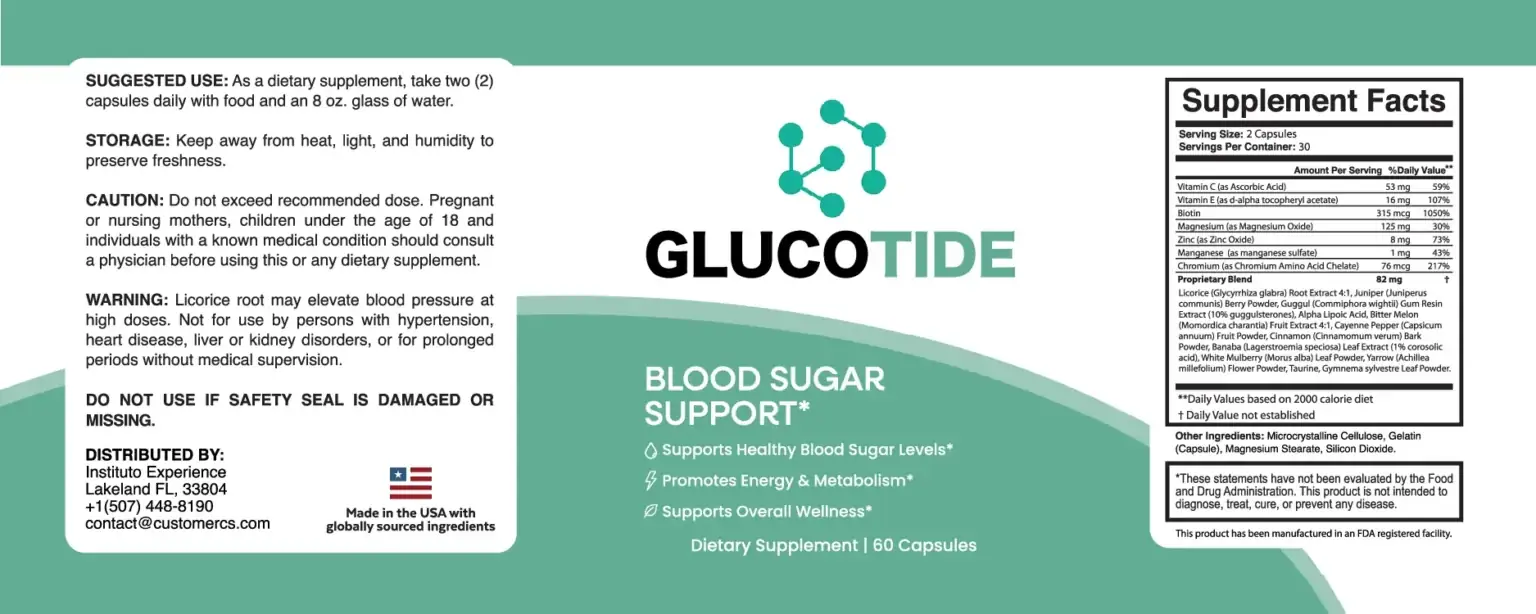
Several nutrients and botanicals have documented or traditional associations with supporting insulin sensitivity specifically. Chromium is among the most researched minerals in this exact context. Alpha Lipoic Acid, an antioxidant, has been studied for a similar role. Magnesium supports numerous enzymatic processes tied to insulin function, and botanicals like Gymnema Sylvestre and Bitter Melon carry long histories of traditional use in this space. These are best understood as supportive and cumulative — additions layered on top of the lifestyle fundamentals above, not a substitute for them.
When to See a Doctor
Persistent fatigue, unusual thirst, or frequent urination are symptoms worth discussing with a doctor rather than guessing about. Fasting glucose and A1C bloodwork give an accurate picture of where you stand, which is far more useful than inferring from symptoms alone. Lifestyle habits and supportive nutrients complement medical guidance — they don't replace it, especially if you're already managing a diagnosed condition.
Common Myths
"Sugar alone causes insulin resistance" oversimplifies a genuinely multi-factor picture that includes muscle mass, sleep, activity level, and total dietary pattern, not just one food group. "It's purely genetic and there's nothing you can do" is also inaccurate — genetics influence baseline risk, but lifestyle factors move the needle meaningfully within that baseline, which is exactly why the levers above are worth the effort even if insulin resistance runs in your family.
How Long Change Actually Takes
Improvements in insulin sensitivity from lifestyle changes generally aren't immediate. Resistance training studies typically show measurable improvements in the 8-to-12-week range with consistent effort. Sleep-related improvements can show up faster, sometimes within one to two weeks of consistent, adequate rest. Nutrient and botanical support is generally cumulative over a similar multi-week window. None of this happens overnight, which is exactly why sustainable habits matter more than short bursts of intense effort.
FAQ
No. It exists on a spectrum, and gradual age-related decline is different from a diagnosed condition, which requires medical evaluation.
Resistance training, sleep and diet quality are all associated with supporting healthy insulin sensitivity over time.
If you have concerning symptoms, fasting glucose and A1C bloodwork through your doctor is the accurate way to know where you stand.
Insulin sensitivity responds to lifestyle changes over time for most people, though individual results vary and a diagnosed condition should be managed with a doctor.
Weight is one factor among several — muscle mass, sleep and activity level all independently influence insulin sensitivity, sometimes even without significant weight change.