Blood sugar supplements are one of the most heavily marketed, most heavily scrutinized categories in wellness — precisely because the stakes feel high for the people searching for them. Run any product through this checklist before you buy. It takes about five minutes, and it's a far more reliable filter than trusting whichever ad happens to show up in your feed.
Check #1: Marketing Claims
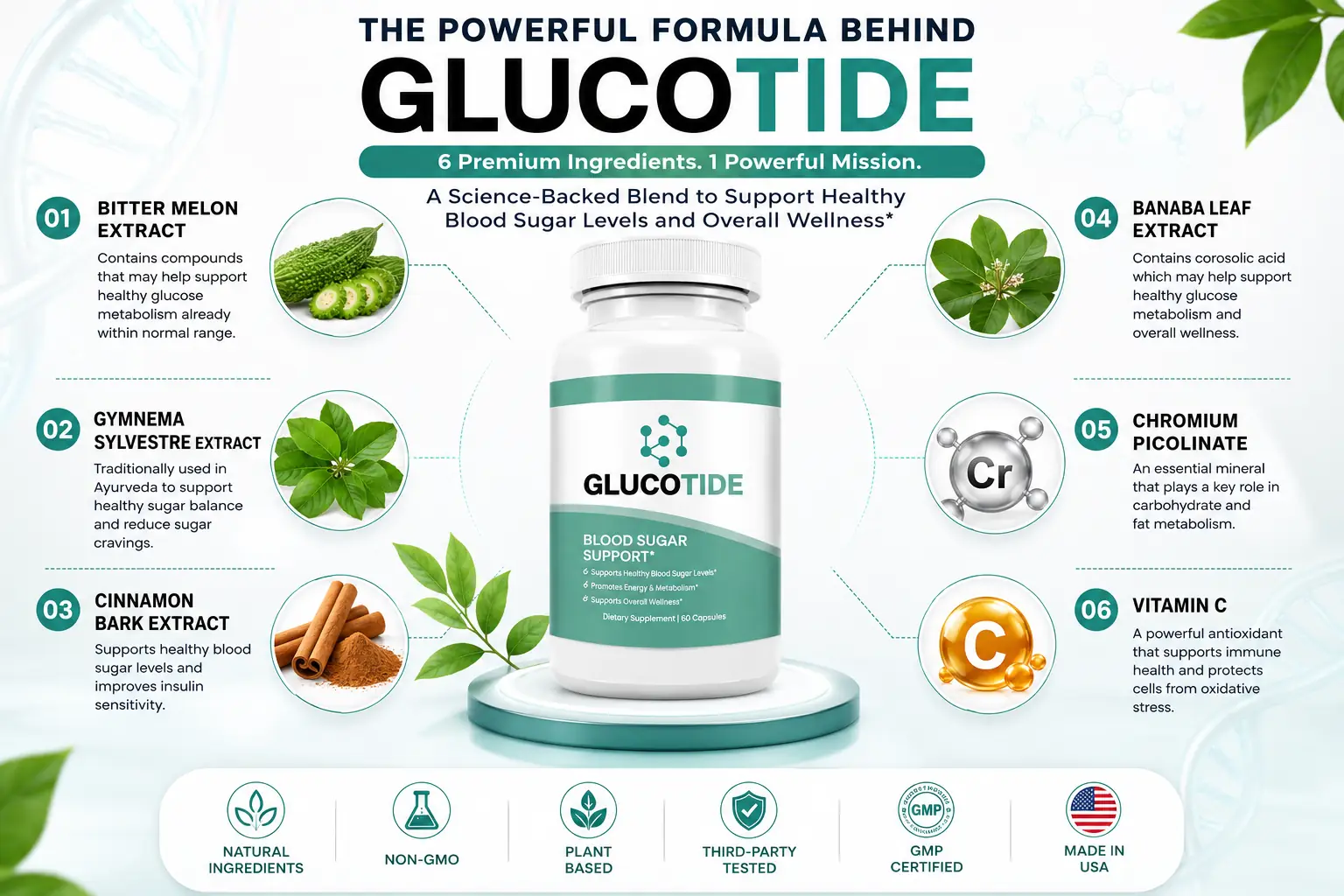
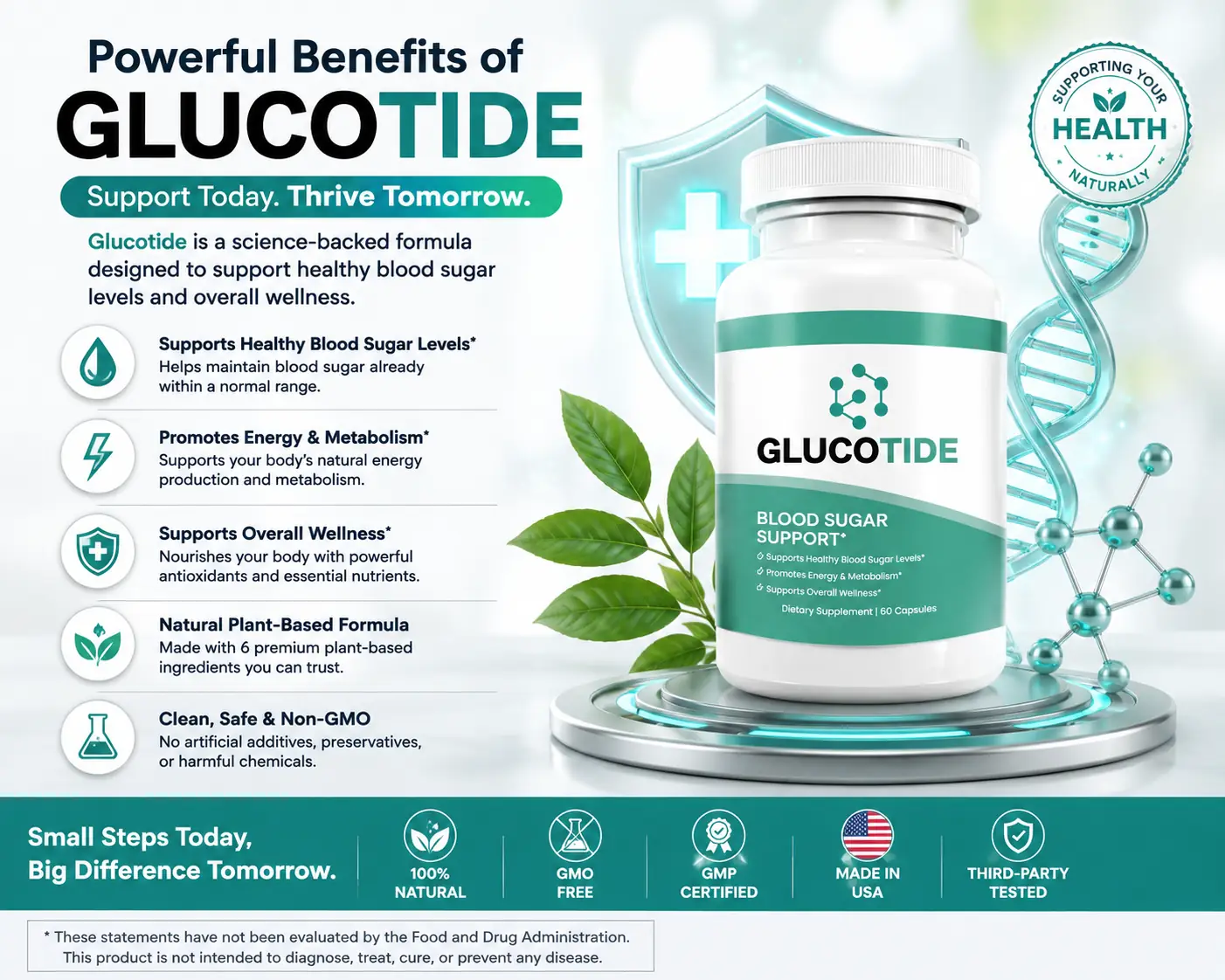
If a supplement's marketing implies it cures, treats, or reverses type 2 diabetes, eliminates blood sugar spikes entirely, or replaces prescribed medication, treat that as a serious warning sign. Dietary supplements are legally limited to structure/function claims — "supports blood sugar levels already within a normal range" — not disease-treatment claims, which are reserved for FDA-approved drugs.
Watch specifically for phrases like "doctors don't want you to know" or "instantly reverses" — language designed to trigger urgency and distrust of conventional medicine rather than to inform. Legitimate brands don't need to position themselves against your doctor to sell a product; if the marketing depends on that framing, treat it as a signal to look elsewhere.
Check #2: Label Transparency
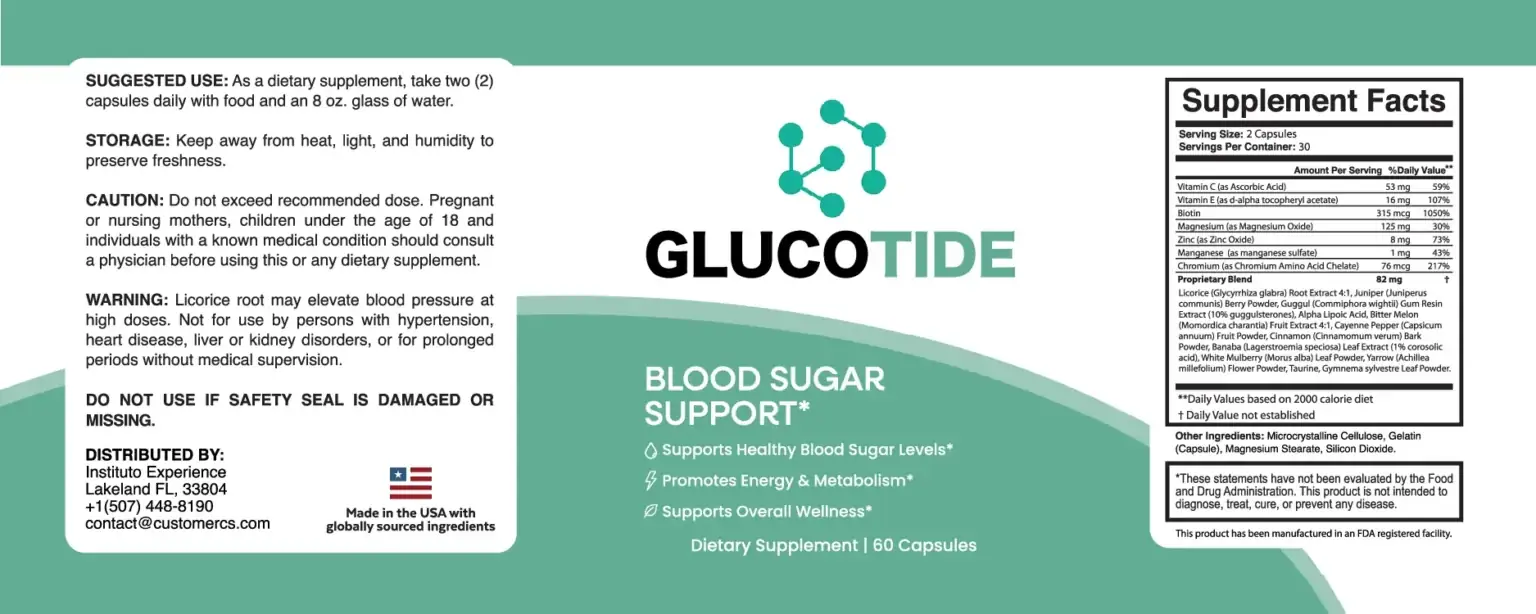
Look for labels that list core nutrient doses with exact amounts and daily value percentages, not just a total blend weight with no individual breakdown. A product that's specific about what it can measure — even if part of the formula is a proprietary blend — is generally more trustworthy than one that's vague across the board.
Also check whether the label discloses cautions for specific ingredients, not just a generic catch-all disclaimer at the bottom of the page. An ingredient like licorice root, for example, carries a specific, well-documented blood pressure consideration — a label that names it directly is doing more for you than one that hides behind a single boilerplate warning shared across every product a company sells.
Check #3: Billing Terms
Watch for checkout flows that quietly enroll you in a recurring subscription, especially ones that bury the one-time purchase option. A trustworthy company states purchase terms clearly at checkout, with one-time and subscription options equally visible.
A related detail worth checking: whether shipping costs are disclosed before you reach the final payment screen, and whether free shipping thresholds are stated plainly rather than buried in a footnote. None of this is complicated to verify — it usually takes less than a minute on the pricing page — but skipping it is one of the more common reasons people end up with an unexpected charge.
Check #4: Manufacturing Standards
Look for GMP certification and FDA-registered facility status. Understand the distinction: FDA registration relates to the manufacturing facility, not the product itself being "FDA approved" — supplements aren't approved by the FDA the way drugs are, and any company implying otherwise is misrepresenting the regulatory process.
Check #5: The Guarantee Window
A meaningful money-back guarantee signals confidence in the product. Pay attention to the length and any minimum-use requirement — a 60-day guarantee with a 30-day minimum use period is a reasonable standard, since it reflects how long a cumulative, multi-nutrient formula typically needs to show consistent effects. Anything under 30 days with no clear terms is often not enough time to judge fairly.
Check #6: Doctor Questions
Before starting any new blood sugar supplement, especially if you're managing an existing condition, it's worth asking your doctor: Does this interact with any medication I'm currently taking? Are there ingredients in this formula — like licorice root, if present — I should be cautious about given my health history? Is this a reasonable complement to my current treatment plan? What bloodwork should I keep monitoring while trying something new?
The Full Checklist
- Does the marketing avoid implying treatment of a diagnosed condition?
- Are core nutrient doses listed with exact amounts, not just a vague blend?
- Is the purchase clearly one-time, with no hidden subscription?
- Is the facility GMP-certified and FDA-registered?
- Is the guarantee at least 60 days, with clear terms?
- Have you discussed it with your doctor if you're managing an existing condition?
If a product checks these boxes, it's being straightforward with you — the baseline you should expect before deciding whether the ingredients themselves fit your goals and your doctor's guidance.
Three Red Flags Worth Walking Away From
If you only remember three things from this checklist, make them these: no listed manufacturing facility standard at all, marketing copy that never mentions any risk or caution anywhere on the page, and a checkout that makes the one-time purchase option harder to find than the subscription option. Any one of these alone isn't necessarily disqualifying, but two or more together is a pattern worth taking seriously.
Check #7: Price-Per-Serving, Not Sticker Price
A lower sticker price on a smaller bottle can be more expensive per serving than a larger multi-bottle package, especially once shipping is factored in. Divide total price by the number of days a bottle covers before comparing products head to head — it's a more honest number than the price displayed at the top of the page, and it's the number that actually determines what you're paying over a realistic 60-to-90-day trial.
FAQ
No. FDA registration relates to the manufacturing facility; dietary supplements aren't FDA-approved the way drugs are.
Yes, especially if you're managing diabetes, high blood pressure, or heart, liver or kidney conditions, since some ingredients can interact with medication.
60 days or longer, with clear minimum-use terms, gives a fair window to judge a cumulative supplement.
Marketing that never mentions any caution or risk anywhere on the page, combined with a checkout that hides the one-time purchase option.
Not necessarily — compare price-per-serving across the full trial period rather than the sticker price alone.